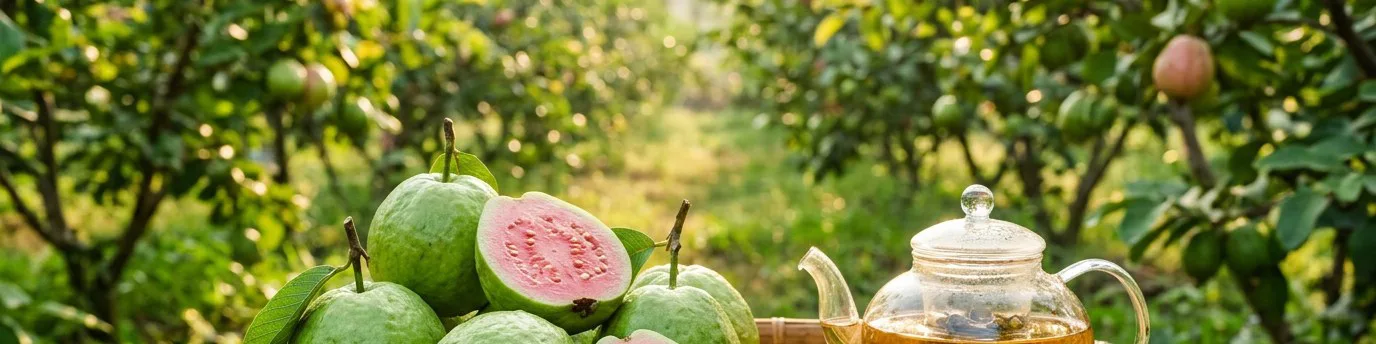
In Vietnam's intensive tropical fruit zones, adopting a systematic guava fruit bagging technique has transformed how family orchards protect year-round harvests without relying on synthetic chemical residues. By shielding young fruitlets early on the branch, growers prevent insect blemishes, eliminate premature fruit drop, and produce smooth, pale-green guavas that command premium market prices.
Managing Caterpillars, Aphids, and Oriental Fruit Flies Without Harsh Chemicals
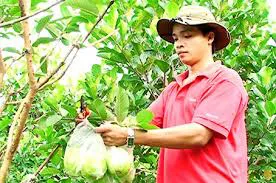
According to experienced orchardist Mr. Hung, guava trees face distinct waves of insect pressure from shoot emergence through harvest. During vegetative flush and early fruit development, leaf-eating caterpillars and sap-sucking aphids cluster along tender twigs, young shoots, and developing fruitlets, scarring the outer rind. Later, as ripening guavas soften and release sweet volatile esters, sap-sucking bugs and especially Oriental fruit flies puncture the skin to lay eggs—triggering widespread fruit rot, mass pre-harvest drop, and severe revenue losses. Growers studying cultivation insights from commercial seedless guava orchards consistently rank fruit flies as the single greatest threat to marketable yield.
Because healthy guava trees flower and set fruit continuously in overlapping batches throughout the year, spraying conventional synthetic pesticides is impractical and unsafe when mature fruit hangs beside young blossoms. Even during sudden pest surges, the Hung–Hue family farm restricts interventions strictly to botanical herbal sprays, beneficial microbial preparations, and Plant Protection Institute pheromone traps hung around the orchard perimeter to capture adult Oriental fruit flies. This clean-cultivation standard protects farmworkers and consumers alike while keeping even the orchard foliage clean enough for eighteen practical wellness and household uses of guava leaves.
Step-by-Step Early Guava Fruit Bagging Technique in Commercial Orchards
To complement biological pest management, the Hung–Hue orchard wraps every selected fruitlet early in development, pairing canopy sanitation with proven pruning and care methods for heavy-fruiting guava trees. Their field-tested guava fruit bagging technique follows a precise schedule:
- Select the optimal fruitlet stage: Wait roughly two weeks after blossom drop and fruit set, when healthy young guavas reach approximately thumb size and natural physiological fruit drop has stabilized.
- Apply one pre-bagging biological mist: Spray the fruitlet surfaces and surrounding clusters thoroughly once with an approved herbal or microbial bio-preparation to clear microscopic insect eggs and fungal spores, then wait 3 to 4 dry days before bagging.
- Choose breathable, cushioned bag materials: Combine an inner porous white foam mesh sleeve—often repurposed or sourced from clean produce cushioning nets to lower input costs—with a thin white polyethylene outer pouch, clean kraft cement-paper bag, or printed newsprint sleeve to prevent sunscald and branch chafing.
- Match bag dimensions to fruit arrangement: Slip compact 8 x 10 cm pouches over individual guavas, or use larger 15 x 20 cm bags to enclose whole multi-fruit clusters, tying the bag mouth snugly around the woody pedicel with a soft twist-tie.
Drainage Perforation, Low Bagging Costs, and Higher Harvest Returns
One critical orchard detail must never be overlooked when using polyethylene outer sleeves: always snip or punch several small drainage holes along the bottom corners of every bag. Without bottom ventilation, trapped rainwater and fruit transpiration condense inside the pouch, creating humid pockets that invite fungal fruit rot.
Field records from Mr. Hung's orchard show that bagging materials and tying labor add only about 500 VND per kilogram of harvested fruit, while dramatically cutting annual spending on pest sprays. More importantly, early bagging boosts marketable guava yield by 20 to 25 percent compared with unbagged trees by virtually eliminating fruit-fly drop. Harvested guavas emerge crisp, uniform, and blemish-free, earning strong buyer preference, higher farm-gate prices, and substantially greater net profit per hectare. Explore additional pruning, propagation, and orchard care guides in our orchard cultivation and fruit-care techniques archive.