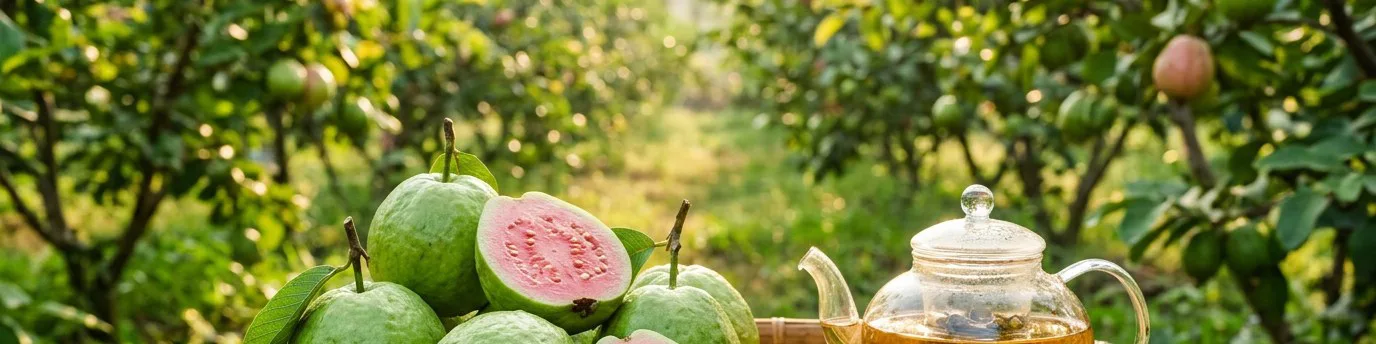
Fragrant, crisp, and naturally refreshing, guava (Psidium guajava) stands among Vietnam's favorite everyday orchard fruits, supplying generous amounts of vitamin A, vitamin C, and beta-carotene in every serving. Beyond its inviting sweet-tart aroma at peak ripeness, clinical nutritionists and traditional practitioners alike recommend guava for healthy digestion, cardiovascular balance, and steady daily energy.
Zero Saturated Fat and Dense Micronutrient Nourishment
According to Dr. Tran Dinh Toan, Head of the Department of Nutrition at Friendship Hospital, guava stands out from processed snacks because it is naturally free of saturated fat and cholesterol and very low in sodium, while delivering abundant dietary fiber, vitamin C, vitamin A, zinc, potassium, and manganese. In fact, laboratory comparisons confirm that ripe guava contains far more vitamin C than oranges, making a single washed fruit an effortless way to meet daily antioxidant needs.
How Unripe and Ripe Guava Support the Digestive Tract
In Eastern dietary traditions, guava offers distinct digestive properties depending on its stage of ripeness. Firm, semi-ripe green guava contains higher levels of natural alkaline astringents (tannins) that calm hyperactive bowels during occasional loose stools, discourage undesirable gut microbes, and help clear excess mucus along the intestinal lining.
Once fully ripened, however, the fruit softens its tannin bite and becomes deeply nourishing. As Dr. Tran Dinh Toan explains, fragrant ripe guava tones digestive vitality and supports comfortable regularity, making it a gentle dietary ally for easing mild indigestion and maintaining balanced blood sugar. Together, vitamin C, carotenoids, and abundant fiber nourish gastrointestinal tissues while helping the colon retain adequate moisture for smooth, regular elimination. Readers curious about broader household applications can also explore practical everyday wellness uses of guava fruit and leaves.
Soluble Pectin Fiber, Heart Protection, and Fatigue Recovery
Fresh ripe guava is particularly rich in both insoluble fiber and soluble pectin fiber. Inside the digestive tract, soluble pectin forms a gentle gel that slows glucose absorption to help keep blood sugar within a steady, healthy range. At the same time, pectin binds excess dietary lipids to support healthy blood cholesterol levels, keep blood flowing smoothly, and promote resilient blood pressure.
Combined with potassium, zinc, and manganese, these protective plant compounds strengthen everyday immune defenses and support long-term heart health. For individuals recovering from physical exhaustion, seasonal fatigue, or run-down vitality, ripe guava supplies easily assimilated vitamins and trace minerals that help replenish strength and reinforce natural resilience against environmental stressors.
Smart Serving Tips to Maximize Vitamin C Without Stomach Strain
To enjoy maximum nutritional value while keeping sensitive stomachs comfortable, Dr. Tran Dinh Toan highlights four simple preparation habits:
- Wash Thoroughly and Eat the Skin: Vitamin C is concentrated most densely in the outer flesh right beneath the green rind. Scrub fresh fruit carefully under clean running water and eat the peel intact to capture its full vascular-supporting and antioxidant benefits.
- Avoid Tannin-Heavy Young Fruit on Sensitive Stomachs: While fresh guava is completely wholesome, eating large amounts of astringent, unripe young guava can aggravate sensitive stomachs or trigger constipation due to concentrated tannins.
- Remove Hard Inner Seeds Before Eating: When slicing ripe seeded guavas, scoop out the hard central seeds so tough seed coats do not burden your stomach or slow down digestion.
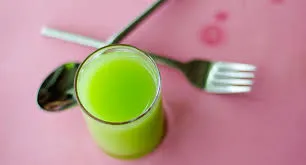
- Blend into Puree or Juice for Gentle Recovery: People recovering from physical fatigue or weak digestion can blend deseeded ripe guava into a smooth puree or fresh cold-pressed juice for effortless nutrient absorption.
For families who prefer crisp slices without removing seeds by hand, orchardists now cultivate convenient varieties like crisp bred seedless Phugi guava, alongside many more seasonal dietary guides in our guava wellness and nutrition archive.