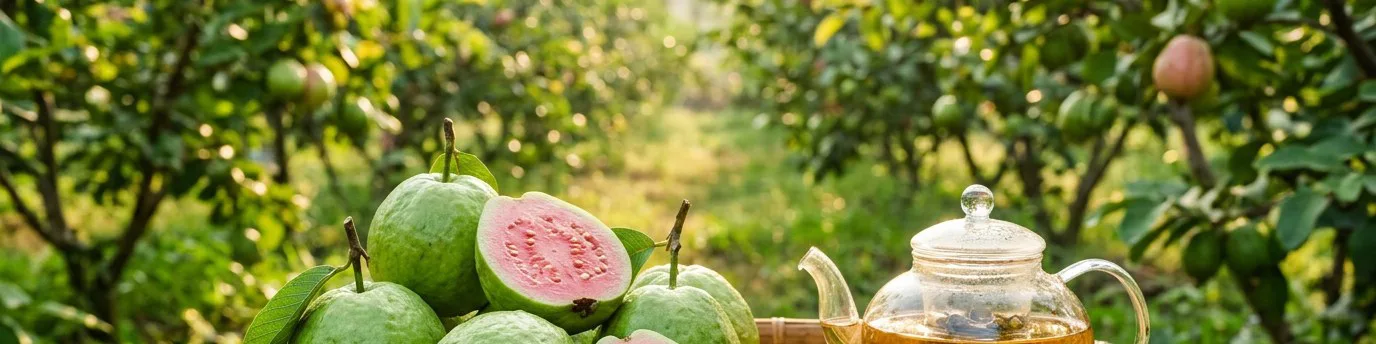
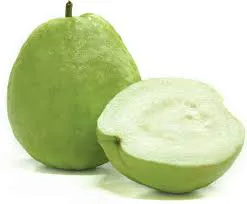
For decades, fruit lovers across southern Vietnam hailed Xa Li guava as the undisputed champion of Mekong Delta orchards thanks to its crisp flesh, balanced sweet-tart flavor, and relatively small seed core. In recent years, however, an elongated, pale-green cultivar with smooth skin and virtually zero inner seeds began appearing on urban fruit shelves. Looking back at the early boom in growing seedless guava reveals valuable horticultural lessons on sapling propagation, rootstock compatibility, and orchard management.
From Cautious Backyard Trials to Commercial Orchard Expansion
When the new variety first arrived in rural Mekong Delta communes, veteran fruit growers remained understandably cautious. Unsure whether local traders would buy an unfamiliar elongated fruit, pioneering farmers planted only 5 to 10 trial trees at the edge of their gardens to observe fruit quality and, if promising, propagate saplings for neighboring growers. During those initial seasons, overall harvest volumes stayed modest.
Consumer demand soon exceeded expectations. Supermarket shoppers loved being able to slice straight through the crisp, juicy flesh without encountering hard seeds, pushing prices in retail chains up to 14,000 to 15,000 VND per kilogram. Encouraged by strong returns and enthusiastic word-of-mouth, many Delta households converted 3,000 to 5,000 square meters of land into dedicated seedless guava plots. Yet while some well-managed farms harvested uniform premium fruit, many other growers suffered heavy financial setbacks when their maturing trees bore nothing like the glossy sample fruits displayed at supermarkets and agricultural fairs.
Costly Orchard Failures Caused by Unverified Planting Stock
Across several provinces, orchardists who purchased low-cost, unverified saplings watched their harvests go awry in three frustrating ways:
- Squat, Pumpkin-Ribbed Fruit Shapes: Instead of the true cultivar's sleek, elongated silhouette, some orchards produced flattened, pumpkin-like fruits covered in uneven bumps and deep vertical grooves where dust, mealybugs, and orchard pests easily sheltered.
- Twisted Necks and Scarred Skins: Other plots bore long but crooked fruits marred by rough russeting near the stem, shriveled narrow necks, and unsightly protruding blossom ends that wholesale buyers downgraded immediately.
- Vigorous Foliage Without Fruit Set: Worst of all, certain lush, leafy orchards refused to bloom properly—or produced tiny, malformed blossoms with stunted petals and stamens lacking functional ovaries, resulting in flowers that dropped without setting a single guava.
Frustrated farmers demanded compensation from local sapling dealers, who in turn blamed upstream wholesale nurseries, leaving growers caught in unresolved disputes while awaiting formal cultivar trials from agricultural institutes, where breeders have also studied varieties such as high-yielding bred seedless Phugi guava.
Why Air-Layering Beats Grafting: Insights from Cho Lach, Ben Tre
This seedless guava line originally entered Vietnam five to seven years earlier through informal private imports from Thailand by individual collectors and fruit businesses prior to official state variety release. According to Mr. Nguyen Cong Thanh (widely known as Tu Thanh) in Son Dinh Commune, Cho Lach District, Ben Tre Province—one of the Mekong Delta's most respected nursery artisans—propagation technique is the decisive factor behind fruit shape and eating quality.
Mr. Tu Thanh explains that grafting seedless guava scions onto ordinary seedling guava rootstocks alters hormonal balance, distorting fruit shape and fertility. When he originally acquired authentic mother trees brought directly from Thailand, Thai nursery specialists emphasized one strict rule: multiply seedless guava exclusively by air-layering (chiet canh) branches directly from true-to-type mother plants rather than grafting onto foreign rootstocks. By adhering strictly to direct air-layering protocols, the tens of thousands of saplings supplied by Mr. Tu Thanh's nursery established uniformly and produced true, smooth-skinned elongated fruit.
Early Harvest Timelines and Smart Sapling Sourcing
When propagated properly, seedless guava rewards farmers with remarkably early harvests. If growers plant well-rooted nursery saplings that have been conditioned in pots for several months onto raised, well-drained orchard beds enriched with composted manure, trees can yield an initial strategic harvest within just 12 months. By the second year, canopies expand rapidly and carry heavy fruit loads whenever growers apply proven guava canopy pruning and shoot-tipping methods to trigger synchronized flowering.
Until agricultural agencies publish finalized regional certification standards, prospective growers should inspect fruiting mother orchards in person before ordering air-layered saplings and sign clear written supply contracts. From northern legends like the famous smiling heritage guava tree in Thanh Hoa to southern Delta innovation, follow more farming updates in our orchard livelihood and market news archive.