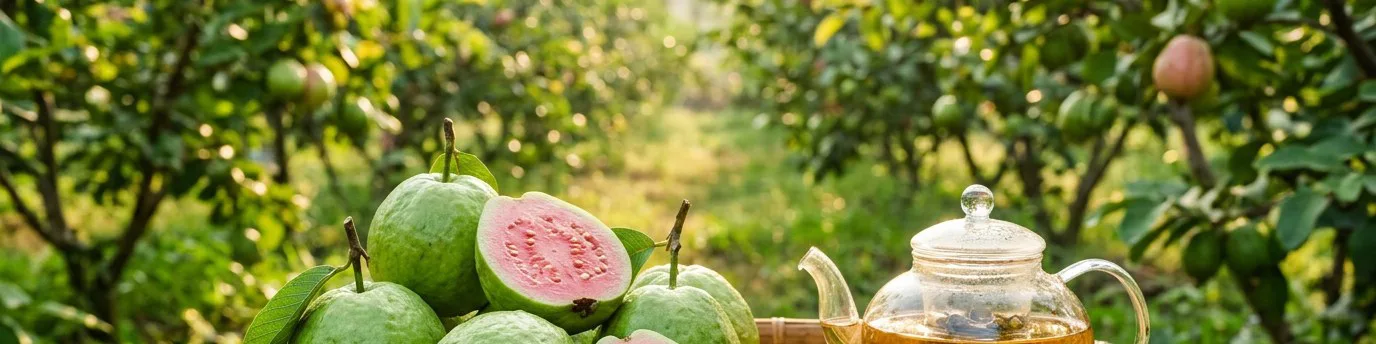
Known botanically as Psidium guajava, guava is one of Asia's most beloved tropical fruits, celebrated for its crisp bite, gentle acidity, and cool, lingering sweetness. Across Vietnamese households, a platter of chilled ripe slices is a favorite after-meal family dessert that doubles as a true nutritional powerhouse. Understanding fresh guava nutrition reveals why dietitians and orchardists alike regard this humble evergreen harvest as one of nature's most generous whole foods.
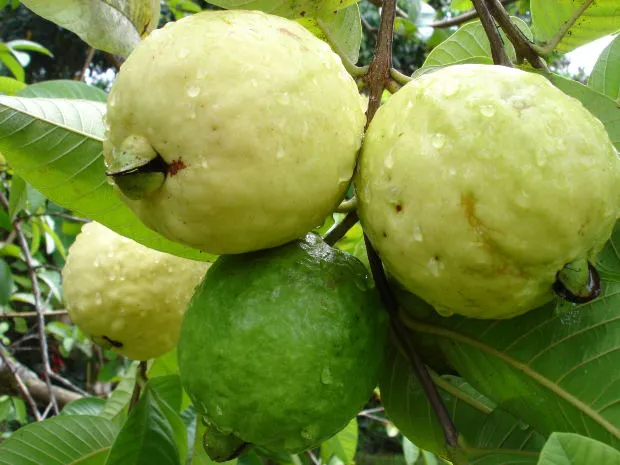
Complete Nutrient Profile per 100 Grams of Guava
Every 100 grams of edible fresh guava packs an impressive spectrum of hydration, macronutrients, trace minerals, and protective vitamins without excess calories. Laboratory food composition tables show that 100 g of fresh fruit provides:
- Hydration and Macronutrients: 80.6 g of natural water, 17.3 g of carbohydrates, 1.0 g of plant protein, and just 0.4 g of lipids.
- Essential Minerals: 15 mg of calcium (Ca), 24 mg of phosphorus (P), and 0.7 mg of iron (Fe) for healthy cellular oxygen transport.
- Concentrated Vitamins: 75 micrograms of vitamin A, 0.05 mg of vitamin B1 (thiamine), and a remarkable 132 mg of vitamin C.
- Potassium and Fiber Density: A single medium-sized guava supplies roughly 688 mg of potassium—over 63 percent more potassium than a comparable banana—alongside approximately 9 g of dietary fiber per fruit.
Regional cultivars across Vietnam showcase delightful flavor and texture variations on this rich nutritional foundation, from pink-fleshed southern orchard varieties to treasured northern heirloom harvests featured in our guide to tasting authentic Bo guava in Thai Binh.
Digestive Balance, Respiratory Comfort, and Radiant Skin
Guava supports the gastrointestinal tract through two complementary mechanisms. First, its natural astringent tannins carry mildly alkaline, soothing properties that discourage unwanted gut microbes, clear excess intestinal mucus, and calm occasional loose stools when digestion feels unsettled. Second, abundant vitamin C, carotenoids, and roughly 9 grams of soluble and insoluble fiber nourish beneficial gut flora while retaining moisture in the colon to encourage smooth, regular elimination.
Freshly pressed guava juice or a warm herbal infusion steeped from tender young guava leaves is also a cherished household drink for soothing dry throats, easing seasonal coughs, and refreshing the upper respiratory tract. High levels of bioavailable vitamin C and dietary iron reinforce everyday immune resilience during chilly monsoon weather changes.
At the same time, natural botanical astringents in young fruit and leaves help tone pores and refine uneven skin texture more gently than harsh synthetic toners. Working in harmony, vitamin A, B-complex vitamins, and potent vitamin C antioxidants protect skin collagen against environmental oxidative stress and premature signs of aging. Readers interested in topical and dietary radiance routines can explore the natural skincare and complexion benefits of guava using both fresh fruit slices and cooled young-leaf facial rinses.
Cardiovascular Circulation and Lycopene Antioxidant Defense
Modern nutrition research highlights the close connection between fiber-rich whole fruits and long-term cardiovascular vitality. Diets lacking natural fiber allow refined starches to convert rapidly into blood glucose and contribute to sluggish lipid metabolism. Because fresh guava pairs high soluble fiber with a naturally low glycemic index, regular enjoyment supports steady blood sugar, balanced blood cholesterol levels, smooth vascular circulation, and healthy blood pressure.
Scientists at Harvard Medical School have noted that adults who regularly include lycopene-rich fruits—such as pink-fleshed guava, watermelon, papaya, and pink grapefruit—in their weekly meals enjoy stronger cardiovascular support and healthier lipid profiles. Dietary lycopene also provides valuable cellular antioxidant protection for skin tissues exposed to daily ultraviolet rays and environmental oxidative stress. Nutritionists commonly suggest enjoying one to two servings of lycopene-rich tropical fruit each day to supply at least 10 mg of protective lycopene.
Balanced Weight Management and How to Eat Guava Properly
With low carbohydrate density alongside generous fiber, vitamins, and trace minerals, guava satisfies hunger quickly—a single crisp fruit enjoyed at midday can curb afternoon snacking cravings all the way until dinner. Conversely, for slender individuals seeking healthy nourishment or expectant mothers researching healthy maternal nutrition from fresh guava, its micronutrients and enzymes encourage efficient metabolic absorption so the body assimilates daily meals more effectively.
- Keep the Outer Peel On: The outer green rind holds higher concentrations of vitamin C than orange juice, so wash the fruit thoroughly under clean running water and enjoy the crisp skin intact rather than peeling it away.
- Practice Sensible Portion Control: Limit daily intake to 2 or 3 medium guavas at most, since eating excessive fiber in one sitting can leave your stomach feeling heavy or mildly bloated.
- Enjoy at Peak Ripeness: Eat guavas within about two days of ripening when their aromatic esters and vitamin density peak, and avoid chewing hard inner seeds or overly tannic unripe green guavas if you are prone to constipation.
Whether served chilled after family meals or pressed into refreshing juice, fresh guava brings effortless tropical nourishment to every table. Visit our tropical fruit nutrition and leaf care archive for additional seasonal serving ideas and herbal tea guides.