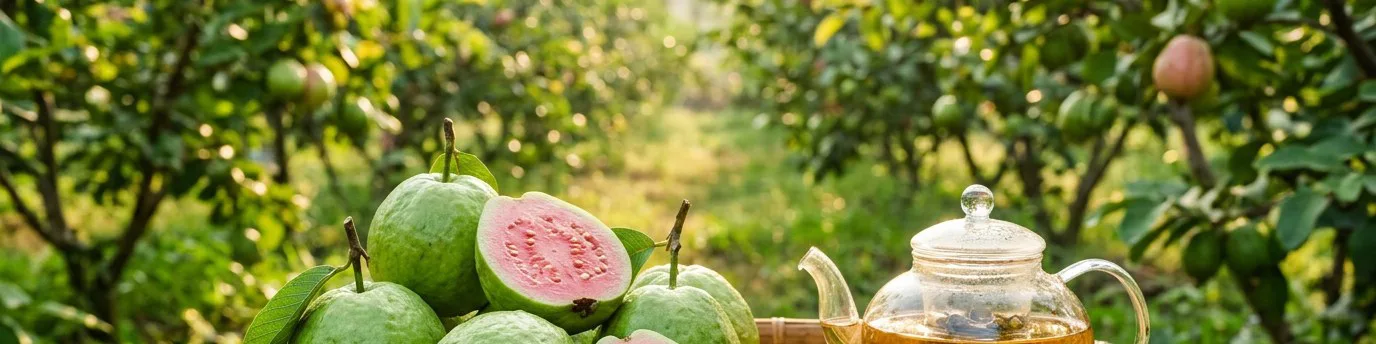
Rich in vitamins A and C concentrated right inside its crisp flesh and thin edible rind, fresh guava is one of the most nourishing everyday fruits you can bring home from a Vietnamese morning market. Pink-fleshed peach guava varieties even supply roughly 26% more antioxidant lycopene than ripe tomatoes, supporting cardiovascular wellness and comfortable daily digestion. Yet with dozens of roadside stalls displaying fruit of uneven quality—including heavily waxed imported shipments and chemically soaked batches engineered to look glossy—mastering practical methods for choosing crispy delicious guava helps homemakers bring home safe, naturally sweet harvests, whether shopping for classic green fruit or specialty ornamental purple guavas admired by Hanoi fruit enthusiasts.
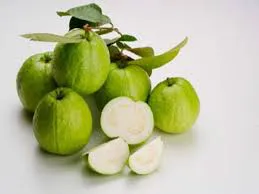
Inspecting Outer Skin Texture, Natural Ridges, and Stem Freshness
The most reliable way to identify clean, untreated Vietnamese guava is to examine the peel under natural daylight and test its texture gently in your palm. Orchard-fresh domestic guavas display a bright light-green or yellowish-green rind that looks plump and taut, feels subtly grainy or finely textured under your thumb, and shows clear natural contours running down the body of the fruit. By contrast, waxed or chemically preserved imported guavas look unnaturally shiny, feel slick and completely smooth without natural ridges, and exhibit a uniform dark-green polish that masks stale flesh.
Experienced shoppers also inspect the woody stem and attached leaves before filling their basket. Freshly harvested Vietnamese guavas keep a small, firm greenish-brown stem alongside intact dark-green leaves that remain supple rather than brittle. Imported or long-stored preserved fruit usually arrives without stems; occasionally, dishonest vendors pin loose leaves onto bare fruit to mimic morning harvest freshness, so giving the stem a gentle tug immediately reveals whether it is naturally attached—a living tree detail appreciated by readers of Vietnam's ancient heritage guava trees in Thanh Hoa. Always pass over fruit whose stem stub looks shriveled, blackened, or dull dark brown beside wilted foliage.
Selecting Authentic Gang, Grease, and Pink Peach Guava Cultivars
Once you verify clean orchard freshness, matching your hand-feel inspection to specific Vietnamese cultivars guarantees peak crunch and sweetness, much like connoisseurs seeking authentic five-ribbed Bo guava from Thai Binh:
- Gang Guava (Oi Gang): Select compact fruits that feel noticeably heavy for their size in the hand, wrapped in a slightly rough, pebbled skin stretched taut over firm flesh. When sampling a freshly cut wedge at the stall, genuine untreated oi gang reveals pale creamy-yellowish pulp, fine crunchy grain, intense floral aroma, and lively sweetness balanced by a delicate hint of astringency. Avoid any fruit whose outer flesh beneath the rind looks dull copper-tinted, contains very few seeds, and chews soft or mealy.
- Grease Guava (Oi Mo) and Pink Peach Guava (Oi Dao): Pick medium-small fruits with gently lumpy shoulders, steady weight in your palm, and a distinct fruity perfume at the blossom end. Even though grease guava feels smoother than oi gang, top-grade fruits still show crisp longitudinal grooves, thick juicy walls, and seeds clustered tightly in the central cavity.
- Skip Waterlogged Rainy-Season Harvests: Avoid buying guavas picked immediately after heavy monsoon downpours, as water-saturated orchard fruit tastes bland and sour, feels unusually light, and often carries bruised rind spots from windfall drops.
Shopping thoughtfully by skin grain, natural stem attachment, cultivar weight, and seasonal weather protects family health far better than chasing bargain prices or artificial gloss—explore more kitchen checklists in our guava selection and storage tips archive.