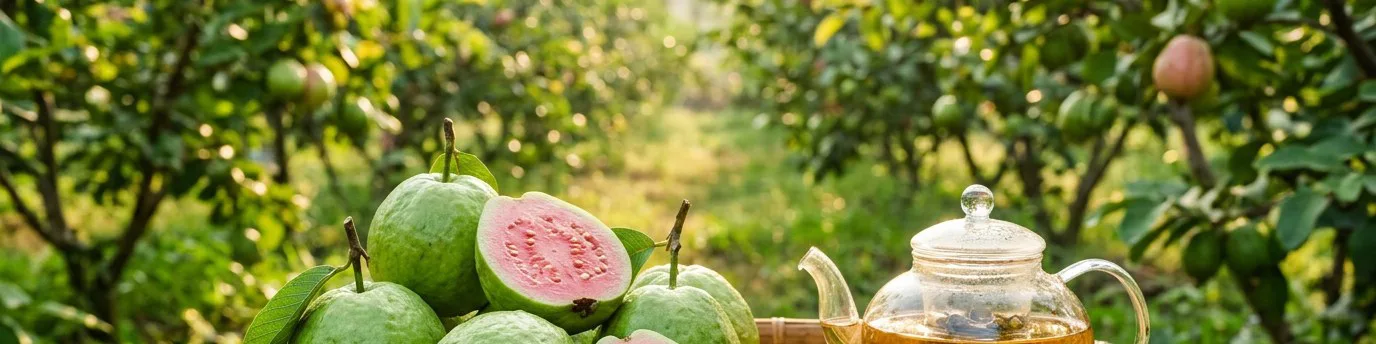
Introduced to Vietnamese orchards from Malaysia, the Voi guava cultivar (ổi Voi, or Malaysian "Elephant" guava) has earned steady popularity among commercial growers and home orchardists for its impressive fruit size and reliable vigor. Mature trees bear large, rounded fruits weighing 300 to 800 grams apiece, prized for thick, tender-sweet, fragrant pulp with remarkably few seeds—qualities ideal both for fresh table enjoyment and for juicing or jam processing. Because the tree adapts readily to diverse terrains, tolerates brief flooding as well as dry spells, resists common diseases, and begins fruiting within just twelve months, mastering Voi guava cultivation offers dependable orchard returns.
Seasonal Timing, Soil Preparation, and Planting Methods
In northern Vietnamese provinces, orchardists achieve the highest establishment rates by planting Voi guava saplings in spring (February to March) or autumn (August to October) when temperatures are mild and atmospheric humidity supports steady root growth. Across southern provinces, the ideal window falls right at the onset of the rainy season. Growers with reliable drip or hose irrigation can also plant year-round, provided newly set saplings receive temporary shade netting until roots anchor firmly and fresh vegetative shoots flush—a practical principle shared with container-grown guava care for heavy fruiting in urban courtyards.
Although Voi guava is not overly selective about soil types, trees yield their largest, sweetest harvests on deep, friable, well-aerated loam capable of retaining even moisture while draining excess storm water rapidly. Several weeks before planting, dig wide, deep planting pits and blend aged farmyard manure thoroughly into the backfill soil, laying out orchard rows at a spacing of 4 × 4 meters or 5 × 5 meters. Always start with true-to-type vegetative saplings propagated via air-layering (marcotting) or bud grafting rather than seed-grown plants, which take far longer to bear and vary in fruit quality. On low-lying, flood-prone delta land, form raised planting mounds 10 to 15 centimeters above grade; on sloped hills or dry upland plots, set saplings inside 10 to 15 centimeter sunken basins to capture rainfall, and water thoroughly immediately after planting.
Canopy Training, Fertilization, Pest Protection, and Two-Wave Harvesting
Thoughtful early training builds a sturdy, sunlit framework capable of supporting heavy 800-gram fruits without branch breakage, while healthy foliage supplies the abundant beneficial compounds found in fresh guava leaves as well as the traditional properties explored in our guide on botanical uses of guava stems and foliage:
- Rootstock Sucker Removal and Shoot Pinching: Mound loose soil around grafted bases without burying the graft union, and rub off any wild sprouts emerging from the rootstock below. Once secondary scaffold branches reach 40 to 50 centimeters in length, pinch their growing tips to encourage tertiary fruiting shoots, retaining 8 to 10 well-spaced tertiary branches per canopy.
- Progressive Nutrition: Where planting pits received generous basal manure, first-year trees require only about 200 grams of balanced NPK fertilizer per tree. Increase fertilizer applications gradually in subsequent bearing years, and top-dress tree basins annually with nutrient-rich dried pond silt.
- Targeted Pest and Fruit Spot Control: Monitor orchards for aphids, leaf-chewing caterpillars, fruit flies, and fungal fruit spot. When pest thresholds warrant action alongside fruit bagging, growers apply orchard sprays such as Sherpa (0.2–0.3%) or Trebon (0.2%) against insects, and Ridomil (0.2%) or Anvil (0.2%) in two to three applications spaced 7 to 10 days apart during May and June to prevent fungal fruit spot, strictly observing pre-harvest safety intervals.
Voi guava naturally produces two distinct fruiting waves each year: the first main flush blossoms in April and May and ripens in July and August, while the late-season second wave blossoms in autumn and ripens right in time for the Lunar New Year (Tet) market. Pick fruits promptly in the cool afternoon hours as soon as the green rind shifts to a bright yellowish-green glow, following best practices across our Vietnamese orchard cultivation archive.