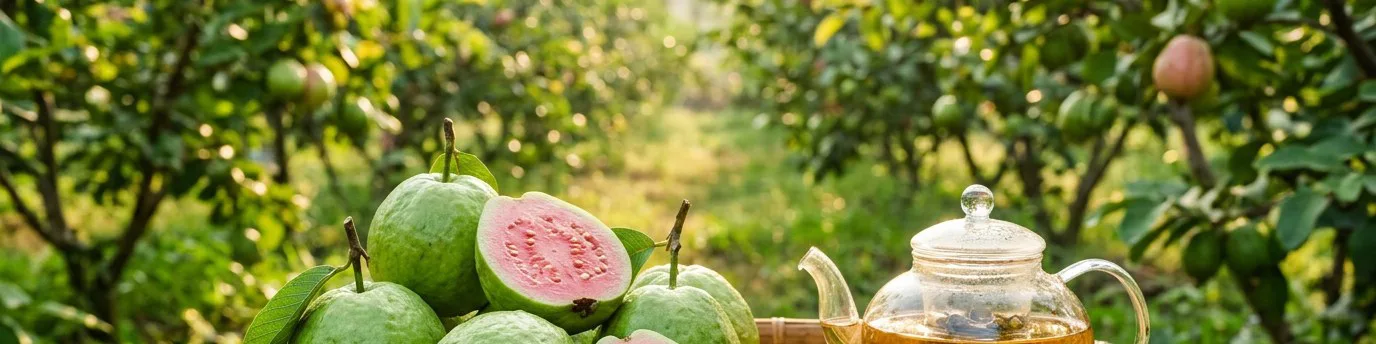
In traditional Eastern dietary wisdom, a guava's nutritional character transforms noticeably as it matures on the branch. Firm, unripe green guava carries a sweet-tart, strongly astringent profile with a neutral energetic nature traditionally used to firm digestive tone during occasional loose stools. Once the fruit softens and sweetens on the tree, however, ripe guava takes on a gently warming, nourishing quality valued for harmonizing digestion and encouraging natural bowel regularity. Modern nutritional science reinforces this traditional insight, spotlighting how ripe guava vitamin C levels surpass even classic citrus staples.
Complete Nutrient Density, Lycopene, and Potassium Balance
A closer look at food composition tables explains why nutritionists encourage families to enjoy local varieties—whether sampling authentic Bo guava from Thai Binh orchards or crisp Xa Li pear guavas cultivated in Hai Duong. Every 100 g of fresh edible guava contains approximately 85 g of water, 0.6 g of plant protein, 7.7 g of carbohydrates, 6 g of dietary cellulose fiber, 10 mg of calcium, 16 mg of phosphorus, trace iron, potassium, and generous amounts of vitamins A, B-complex, and C—all within a light 34 kcal serving.
Pink- and red-fleshed guavas are especially rich in lycopene, a deeply pigmented carotenoid prized for cellular antioxidant protection and oxidative stress defense that supports long-term prostate and cardiovascular wellness. At the same time, a single medium-sized guava supplies roughly 688 mg of dietary potassium—nearly 63 percent more potassium than a comparable banana—helping maintain healthy fluid balance and everyday vascular tone. Combined with natural astringent polyphenols, vitamins A, B, and C also nourish collagen formation, refine skin texture, and help shield complexion vitality against premature environmental aging.
Why Eating Unpeeled Ripe Guava Beats Orange Juice
When comparing ripe guava vitamin C content directly against citrus, laboratory analyses show that guava skin and the dense subcortical pulp immediately beneath the outer rind hold substantially higher concentrations of ascorbic acid than freshly squeezed orange juice. Because most of this vitamin C clusters right next to the epidermis, peeling a guava discards its richest antioxidant layer. Washing ripe fruit thoroughly in clean water and eating it whole with the rind intact preserves both peak vitamin C and beneficial skin polyphenols, complementing the household leaf and fruit traditions detailed in our guide to backyard guava tree wellness uses.
Ideal Ripeness Window and Daily Portion Guidance
- Enjoy within days of ripening: Guavas deliver their highest vitamin bioavailability and sweetest aroma within the first few days after reaching full ripeness on the tree.
- Keep daily servings moderate: Nutritionists recommend enjoying 2 to 3 medium guavas per day, since overeating large quantities of dense cellulose fiber in one sitting can feel heavy on the stomach and cause temporary bloating.
- Skip hard green fruit if sensitive to tannins: Avoid eating unripe green guavas if you are prone to sluggish digestion, as high tannin levels in immature fruit can easily trigger constipation.
For more botanical comparisons and cultivar breakdowns across Vietnam, visit our guava varieties and botany archive.