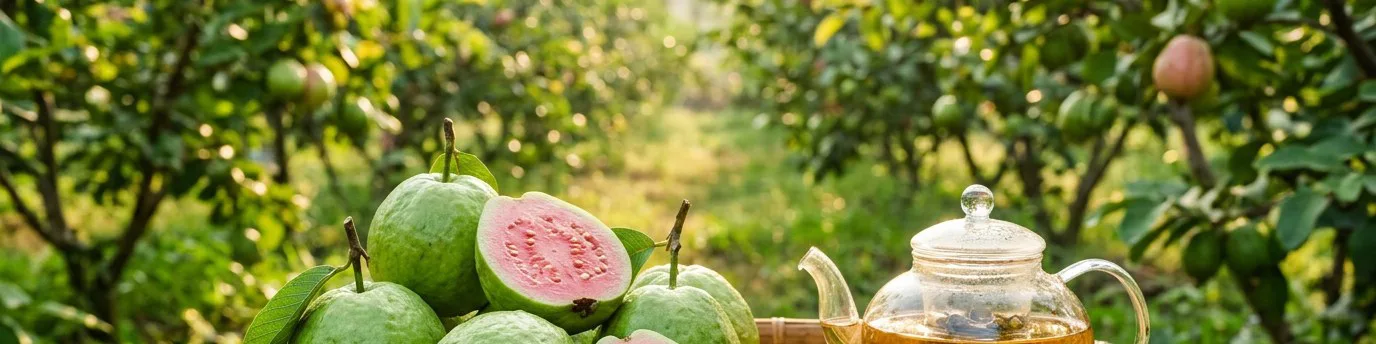
Among northern Vietnam's cherished heirloom orchard fruits, few evoke regional pride quite like authentic Bo Thai Binh guava. Local growers recognize several distinct fruit shapes within the Bo lineage: some resemble flattened oranges, others take on the silhouette of small pears or miniature papayas, some recall plump tangerines, and the most celebrated form displays five distinct longitudinal ribs along its blossom end. Yet true connoisseurs agree that no orchard elsewhere can match genuine seeded Bo guava rooted in the light, mineral-rich alluvial silt bordering Bo village, harvested during a single prized summer crop each July and celebrated as a nutrient-rich Vietnamese tropical guava treasure.
Tra Ly River Folklore and the Pride of Thai Binh Culinary Heritage
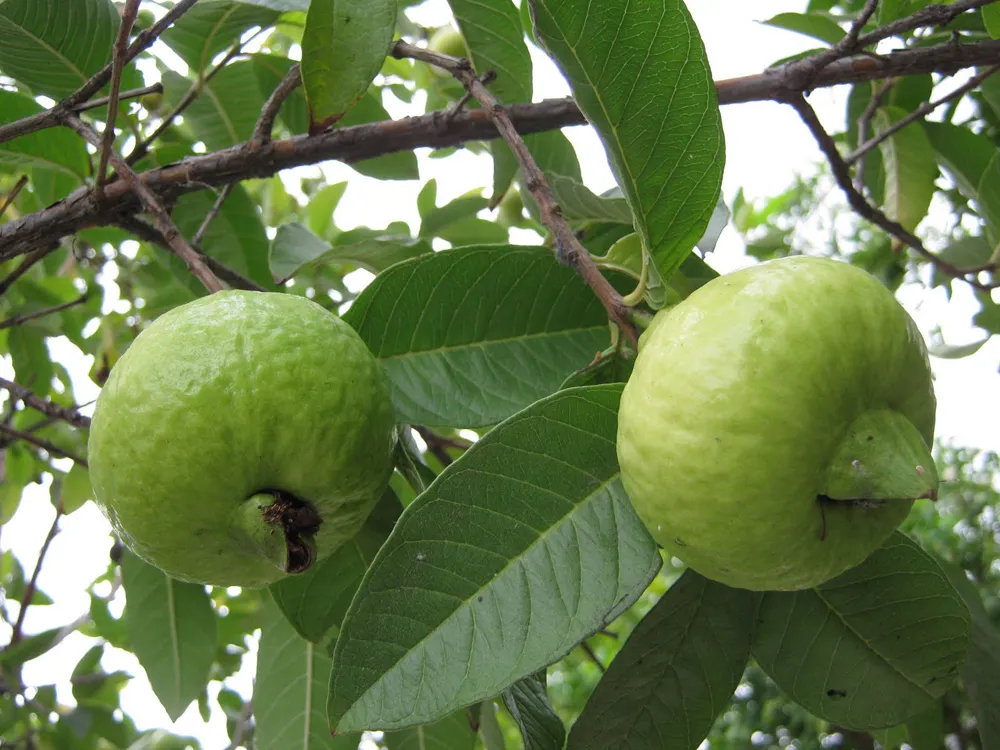
Over generations, Bo Thai Binh guava has grown familiar not only to residents born across Thai Binh's rice-growing plains, but also to fruit lovers throughout neighboring provinces who seek it out as an emblem of Red River Delta culinary culture. Although guava trees flourish in village gardens across Vietnam, authentic Bo guava never blends anonymously into ordinary market fruit. Every crisp, thin-skinned globe seems to distill the fertile river silt, gentle monsoon breezes, and quiet diligence of local farmers into one unforgettable bite: refreshingly cool sweetness, thick creamy-white flesh, a remarkably compact central seed core, and a lingering floral fragrance.
Village elders in Bo hamlet (Hoang Dieu commune, Thai Binh City) still pass down a fond origin tale heard from their forefathers in childhood. Generations ago, a villager strolling along the breezy dike of the Tra Ly River noticed an unfamiliar ripe fruit bobbing gently on the current. Curious, he fished the fruit out of the river, carried it home, and scattered the seeds in his backyard garden. When the resulting tree bore extraordinarily crisp, aromatic guavas, neighbors carefully propagated its descendants across Bo village. Behind that poetic riverside legend, however, lies a demanding, multi-stage horticultural craft guided by patient human hands from seed selection and nursery tending to mid-summer picking, standing in fascinating contrast to modern commercial seedless Xa Li guava orchards in neighboring Hai Duong.
Meticulous August Seedbed Propagation and Three-Year Orchard Care
Raising genuine Bo guava from seed requires precise seasonal timing and traditional nursery skill. Experienced orchardists sow seeds in August, taking advantage of late-summer monsoon showers and warm soil temperatures. Mother fruits are selected exclusively from vigorous heritage trees, harvested when thoroughly ripe from low, horizontal fruiting branches. Growers scoop out the seed-bearing central pulp and soak it in clean water for roughly one week until the surrounding mucilage softens and separates, allowing only plump, heavy, viable seeds to be rinsed clean for sowing.
- Raised Nursery Beds: Well-drained, sun-dried garden topsoil is finely pulverized and shaped into smooth raised beds standing 20 centimeters above the surrounding garden floor and measuring 1 meter wide.
- Straw Mulching and Germination: Prepared seeds are broadcast evenly over the leveled bed, blanketed with a thin protective layer of clean rice straw, and watered gently every day to preserve steady moisture for twenty consecutive days.
- Potting and Transplanting: After roughly one month, young green shoots emerge above the mulch and are lifted into woven bamboo nursery baskets; within five months of sowing, sturdy saplings are transplanted at proper orchard spacing.
- Pre-Harvest Potassium Finishing: Once mature trees set full-sized developing fruit, growers apply potassium-rich fertilizer one month prior to the July harvest to firm the flesh and concentrate natural sugars across a full three-year cycle from seed sowing to first true harvest.
Remarkably, riverbank terroir defines everything about this heirloom variety. Even when genuine Bo seedlings from Hoang Dieu commune are carried away and planted in other provinces—much like urban collectors cultivating ornamental purple guavas popular in Hanoi—shifts in alluvial sediment and water table conditions noticeably alter both crispness and flavor balance.
Traditional Pole Harvesting and Rustic Tasting Etiquette
Bo guava orchards even preserve time-honored customs for picking and eating the harvest. During July picking days, growers never climb directly into the brittle canopy; instead, they gather sun-ripened upper fruits from the ground using a dedicated bamboo harvesting pole. Experienced farmers also observe that guavas hanging on drooping lower boughs too close to damp soil remain noticeably tart compared to sun-bathed fruit higher on the crown.
To appreciate genuine Bo guava at its peak, locals advise setting aside steel paring knives, as slicing the fruit into neat wedges dulls its aroma and accentuates skin acidity. Instead, wash the whole guava in cool water and bite directly into the crisp rind and thick white pulp in simple country fashion. A gentle herbal astringency greets the palate first, followed by a fleeting whisper of bright tartness, before a cool, honeyed sweetness spreads slowly across the tongue and throat—an unmistakable taste of Thai Binh's peaceful paddy homeland preserved in our Vietnamese guava varieties and botany archive.