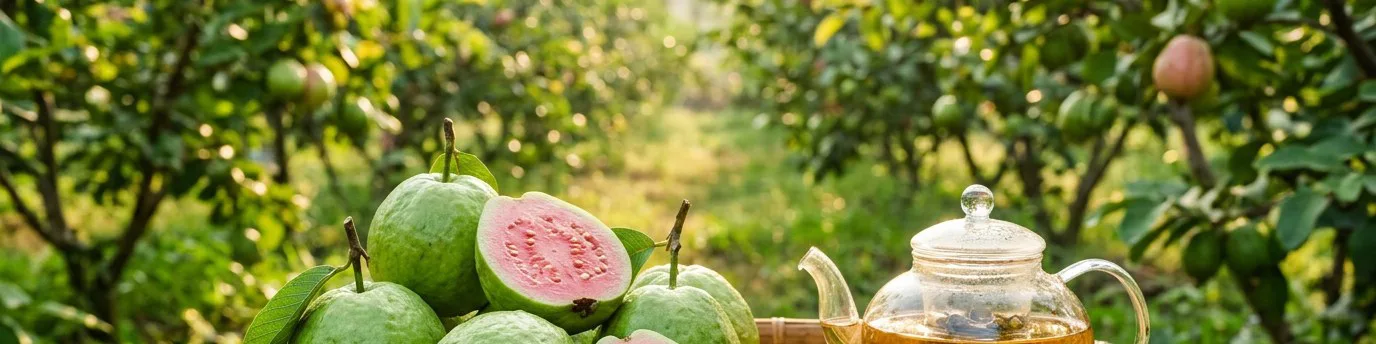
Urban gardening enthusiasts across Vietnam's capital have long delighted in distinctive fruiting trees—much like readers captivated by the tale of a centuries-old guava tree in Thanh Hoa—yet the newest horticultural wave blends eye-catching ornamental color with practical family harvests. Driven by a growing desire among city homemakers and young families to cultivate clean, chemical-free produce at home while bringing refreshing greenery to compact concrete balconies, terraces, and sunny courtyards, the arrival of Malaysian purple guava in Hanoi has sparked lively curiosity across online gardening forums, suburban plant markets, and inner-city neighborhoods alike.
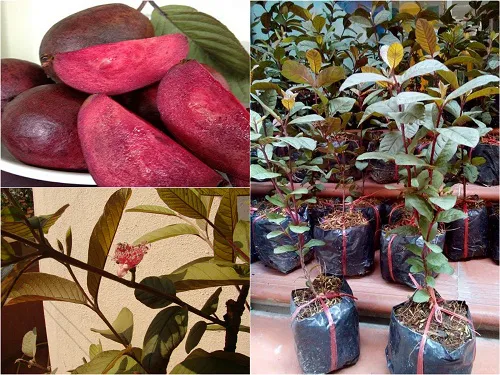
All-Violet Foliage, Blossoms, and Sweet Winter Harvests
What sets this cultivar apart at first glance is its extraordinary head-to-toe anthocyanin coloration: not only do the outer rind and juicy inner core glow a deep plum-violet, but the leathery leaves, delicate blossoms, young twigs, and even the root bark carry a signature purple hue. Offering a genuine two-in-one appeal as both a sculptural ornamental patio specimen and a productive edible fruit tree, saplings are currently propagated and sold at suburban orchards across Gia Lam and Long Bien districts as well as through inner-city online garden shops delivering throughout Hanoi. According to Ms. Nhung, a cultivar specialist working at a plant breeding center in Thanh Xuan District, Hanoi, purple guava offers the same pleasant tropical aroma and refreshing sweet-tart taste as familiar green-skinned varieties, differing primarily in its striking violet fruit color. Once transplanted into fertile soil, young saplings establish rapidly, open their first tinted blossoms within 3 to 6 months, and carry generous clusters of fruit after roughly one year, ripening abundantly during the cool northern winter months.
Tracing the variety's background, the proprietor of an online plant boutique on Bach Dang Street in Ba Dinh District explained that this purple cultivar originated in Malaysia before being introduced, acclimated, and multiplied by Vietnamese nurseries. Beyond vegetative propagation methods such as branch grafting, air-layering, and root cuttings, purple guava can also be raised directly from seed. In open garden soil, mature trees reach a manageable canopy height of 3 to 4 meters and demonstrate impressive resilience even in challenging coastal or lowland plots with mildly saline or acid-sulfate soils. Seed-grown saplings gain strong vegetative momentum from 6 months onward and typically set their first harvest at an average age of one year. Because loose purple guava seeds are not packaged or sold separately on the retail market, interested home gardeners purchase live nursery saplings either by visiting suburban orchards in person or ordering online. Thanks to its broad soil adaptability and prolific fruiting habit, the Bach Dang shop welcomed hundreds of curious visitors immediately upon introducing the variety, recording roughly 400 customer inquiries and sapling reservations within just a few weeks.
Inner-City Sapling Prices vs. Suburban Nursery Rates
For urban families eager to enjoy lesser-known nutritional benefits of fresh guava picked straight from their own sunny rooftop, the cultivar's compact growth habit and tender, nearly seedless ripe pulp hold obvious appeal. Ms. Thanh Hoa, a 32-year-old bank employee living in Hanoi, shared with a smile that she had never seen a purple-fruited guava before; after hearing that ripe fruits turn soft, fragrant, and virtually seedless while the tree itself adapts readily to container life, she decided to order one right away. Without a spacious ground-level yard, growing fruit trees in deep patio pots allows her family to harvest clean seasonal fruit while beautifying compact living space. Compared with the steep introductory prices once commanded by imported Taiwanese pear guava or Dong Du guava saplings when they first entered northern markets, purple guava remains relatively affordable, helping fresh nursery shipments sell briskly despite a noticeable price gap between retail channels:
- Inner-city online plant boutiques: Potted saplings retail between 100,000 and 145,000 VND per tree depending on trunk caliper and canopy size, roughly three times orchard gate prices due to sourcing trips to distant suburban nurseries and careful home delivery across busy Hanoi streets.
- Suburban wholesale growers in Gia Lam and Long Bien: Purchasing directly at suburban nursery gardens costs only 40,000 to 45,000 VND per sapling, while bulk orchard orders exceeding 100 trees drop to 40,000 VND per tree—though outer-district travel poses a hurdle for busy city residents.
- Pre-order wait times and rapid sellouts: Because online boutiques rarely maintain large walk-in stockrooms, customers generally reserve saplings in advance and wait 3 weeks to 1 month for fresh nursery batches to arrive; one online vendor recalled cautiously ordering an initial shipment of 80 saplings because demand felt uncertain, only to watch all 80 trees sell out within the very first week as curious homeowners and houseplant collectors rushed to order more.
Expert Advice for Growing Purple Guava in Urban Containers
Although purple guava tolerates diverse soil types, cramped decorative pots on shaded city balconies cannot supply enough root nutrition for heavy fruiting; choose deep, fertile containers placed in bright, direct sunlight.
Alongside strong enthusiasm, prospective apartment buyers have also raised practical questions on online plant forums—such as forum member Hoamaunang, who worried that container-grown trees in dense city neighborhoods might struggle to survive or fail to fruit, wasting hard-earned money. Responding to these concerns, Mr. Hoang Minh Thai, an experienced seedling orchard owner in Dong Da District, Hanoi, clarified that while purple guava adapts well to many soils, buyers should not expect abundant harvests from undersized pots. For vigorous root development and steady winter fruiting, gardeners should plant saplings either in open ground or inside large, deep containers filled with nutrient-rich loam and organic compost, position pots where they receive abundant direct sunshine every day, and pair good watering with protective fruit-bagging techniques for clean harvests. Visit our Vietnamese orchard and market news archive for more regional horticulture stories.