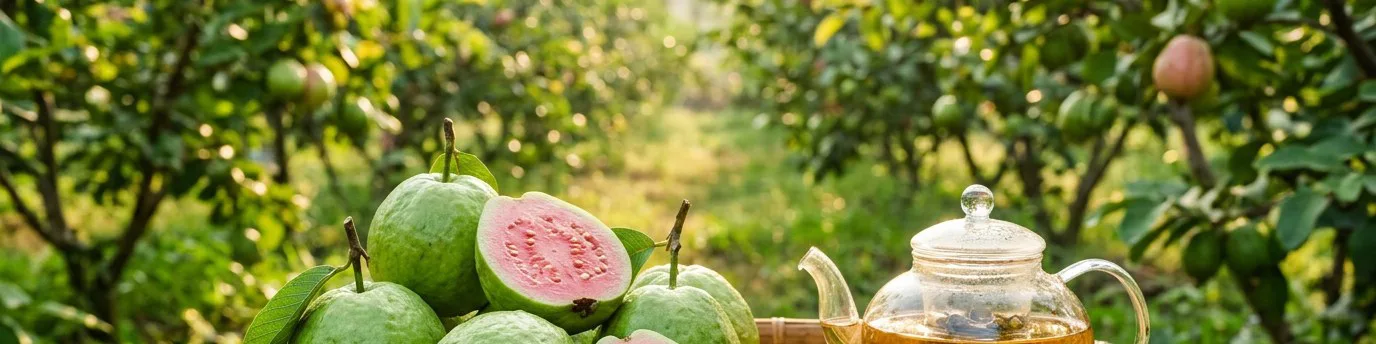
Generations of Vietnamese families have brewed tender young guava leaf buds into soothing digestive teas, yet modern pharmacological science continues to uncover broader possibilities for this humble orchard tree. Notably, researchers at Krupanidhi College of Pharmacy in Bengaluru, India, have investigated guava leaf extract liver support, demonstrating how concentrated leaf antioxidants shield hepatic tissues in laboratory models and illuminating why traditional Asian herbalists have long valued guava leaf infusions during mild jaundice recovery.
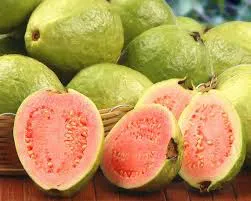
Krupanidhi Pharmacy Research on Guava Leaf Extract Liver Support
As reported by Indian science news outlet New Kerala, pharmaceutical investigators at Krupanidhi College of Pharmacy evaluated powdered extracts milled from Psidium guajava foliage to assess whether accessible plant polyphenols could help protect liver cells against chemical oxidative injury. In controlled preclinical rodent trials, laboratory mice supplemented with powdered guava leaf extract resisted chemically induced hepatic damage and maintained healthier liver tissue architecture, whereas unsupplemented control animals suffered pronounced cellular liver stress.
Phytochemists reviewing the study attribute this hepatoprotective promise to dense flavonoid and tannin antioxidants in guava leaves that scavenge reactive free radicals before they disrupt liver cell membranes. Long before modern laboratory assays, rural communities in parts of India brewed warm guava leaf decoctions as a three-day supportive botanical tonic alongside rest and hydration during mild jaundice episodes—an affordable folk tradition now inspiring closer pharmacological study alongside proper clinical evaluation.
Botanical Profile and Antioxidant Density of the Homestead Guava Tree
In Vietnamese village culture, the affectionate phrase "the guava tree behind the house" evokes an unmistakable rural landmark. Planted beside courtyard wells and garden fences, a family guava tree offers cooling summer shade, enriches homestead biodiversity, and serves as a living herbal cabinet for everyday household comfort—especially when nurtured with balanced organic guava fertilizing schedules. In classical Sino-Vietnamese herbal compendia, the species is recorded as Phan Thach Luu (literally "foreign pomegranate") and bears the botanical name Psidium guajava L. within the myrtle family, Myrtaceae.
Botanically, Psidium guajava grows as a resilient, multi-branched small tree reaching 3 to 6 meters in height, easily recognized by its smooth peeling bark and distinctive four-angled, square-edged young branchlets. Native to tropical America before naturalizing widely across Asia and Africa, guava now thrives across Vietnam both as wild-seeded shrubs on midland hillsides and lowland plains and as selected orchard varieties, including anthocyanin-rich red guava cultivars with purple-red foliage.
Food-science analyses confirm why guava ranks among the richest micronutrient sources in the tropical orchard, complementing the thirteen golden nutritional benefits of fresh guava celebrated by dietitians:
- Exceptional vitamin C gradient: Fresh guava supplies vitamins A and C, dietary fiber, and seed-borne omega-3 and omega-6 fatty acids. Select cultivars contain up to 486 mg of vitamin C per 100 g of fruit, with vitamin density peaking directly beneath the outer skin—meaning clean, bagged guavas washed thoroughly and eaten whole with the rind deliver maximum nutritional value.
- Carotenoid and polyphenol pigments: Despite its modest calorie count, guava abounds in carotenoids and polyphenols. Nutritional biochemists note that the briskly tart, astringent taste of guava leaves and young fruit reflects concentrated antioxidant tannins; likewise, deeper yellow, ruby-red, and purple-red pigments paired with brisk tartness signal elevated polyphenol levels.
- Bioactive quercetin: Guava fruit and foliage provide abundant quercetin, a potent flavonoid studied for antioxidant, soothing anti-inflammatory, and histamine-calming support across respiratory sensitivities, seasonal allergies, cardiovascular wellness, joint comfort, and gastric mucosal oxidative stress defense.
Astringent Tannins, Quercetin, and Caryophyllene Mechanisms
In traditional Eastern wellness care for acute loose stools or seasonal digestive upsets, practitioners emphasize three foundational principles: replenishing lost fluids and electrolytes, keeping the digestive center gently warmed, and supporting Spleen Qi transformation. Tender guava leaf buds and young leaves excel at gentle mucosal astringency—toning irritated intestinal membranes, moderating excess fluid secretion, and calming hyperactive gut spasms. Pairing a warm guava-bud infusion with roasted brown rice gruel simmered with slices of charred ginger and a pinch of sea salt fulfills hydration, digestive warmth, and gentle nourishment simultaneously with everyday kitchen ingredients, though severe infectious dehydration always requires prompt medical care.
Beyond internal teas, Vietnamese folk traditions employ crushed fresh leaves or concentrated leaf decoctions as cleansing, antimicrobial, and antifungal washes for minor skin sores, mild fevers, sensitive gums, coughs, and scratchy throats. Pharmacological research conducted in Vietnam by Tran Thanh Luong and colleagues demonstrated notable antifungal activity in guava leaf essential oil, driven primarily by two sesquiterpene hydrocarbons: alpha-caryophyllene and beta-caryophyllene. Meanwhile, traditional Indian herbalists have also explored guava leaf decoctions as supportive tonics for renal comfort and neurological calm. Across these varied traditions, botanical efficacy rests on three synergistic actions: mucosal astringency, natural antimicrobial cleansing, and soothing anti-inflammatory support. Classical herbal texts classify guava as cool to neutral in nature, sweet-tart and slightly bitter-astringent in flavor, and non-toxic when used appropriately.
Eight Traditional Vietnamese Household Preparations and Dietary Precautions
Across rural Vietnam, experienced herbalists document eight time-tested household ways to prepare guava buds, leaves, bark, and fruit for everyday wellness support:
- 1. Topical paste for minor scrapes or insect bites: Wash fresh tender guava buds thoroughly in clean saline water, crush or mash them into a smooth paste, and apply externally to soothe minor insect bites or small surface scrapes.
- 2. Warm herbal soak for stubborn minor skin irritation on arms or legs: Simmer roughly 100 g of fresh guava buds and tender young leaves in clean water to make a concentrated herbal decoction, cool until comfortably warm, and bathe or soak the affected area 2 to 3 times daily.
- 3. Three gentle oral rinses for sensitive gums or minor mouth sores: Either mash washed tender guava buds and dab lightly onto sensitive gums; crush 7 young guava buds with a splash of warm boiled water and a pinch of sea salt to apply gently with a clean cotton swab; or simmer 100 g of young guava leaves into a concentrated rinse and swish the warm liquid for several minutes before spitting out.
- 4. Dried leaf tea for seasonal coughs, mild chills, and sore throats: Dry 20 g to 40 g of tender young guava leaves and steep or simmer in water as a warm soothing beverage through the day.
- 5. Four-herb digestive comfort decoction: Simmer 20 g of young guava buds, 20 g of dried mangosteen rind, 10 g of charred fresh ginger, and 20 g of dry-roasted rice in water for a warming, astringent digestive tea.
- 6. Classical Bach Chien Tan herbal powder recorded by physician Le Minh Xuan: Formulated historically in Vietnamese traditional herbalism for acute digestive distress associated with Spleen weakness and spoiled food, this blend combines 200 g of guava buds, 500 g of cluster fig bark, 20 g of dried tangerine peel, 100 g of mature ginger, 10 g of aged areca nut, and 150 g of nutmeg. All ingredients are sliced, thoroughly dried, ground into fine powder, and portioned into 6 g packets traditionally taken with warm water up to 3 times daily under qualified herbal guidance.
- 7. Deseeded crisp guava flesh for balanced glycemic meal plans: Because firm outer guava pericarp offers soluble fiber, vitamin C, and anti-inflammatory polyphenols without seed-core grit or heavy sugar loads, nutritionists often suggest about 150 g of fresh deseeded guava per day within balanced low-glycemic diets. Older adults may blend or press the fruit into fresh juice, though whole fruit preserves substantially more fiber and vitamin C.
- 8. Carbonized dried guava powder in classical folk practice: Mature green guavas are sliced, sun-dried, pan-roasted until dark outside while retaining internal herbal character, ground finely, and traditionally taken in 8 g servings twice daily with warm water for mucosal astringency.
Important dietary note: Individuals experiencing chronic constipation or sluggish bowel transit should avoid concentrated guava-bud decoctions and astringent unripe guava skins, as dense tannins in guava leaves and green outer rinds can further slow intestinal movement even though ripe, deseeded guava pulp gently supports regularity.
Explore more botanical research notes, vitamin comparisons, and safe herbal tea guides in our herbal guava leaf and fruit nutrition archive.