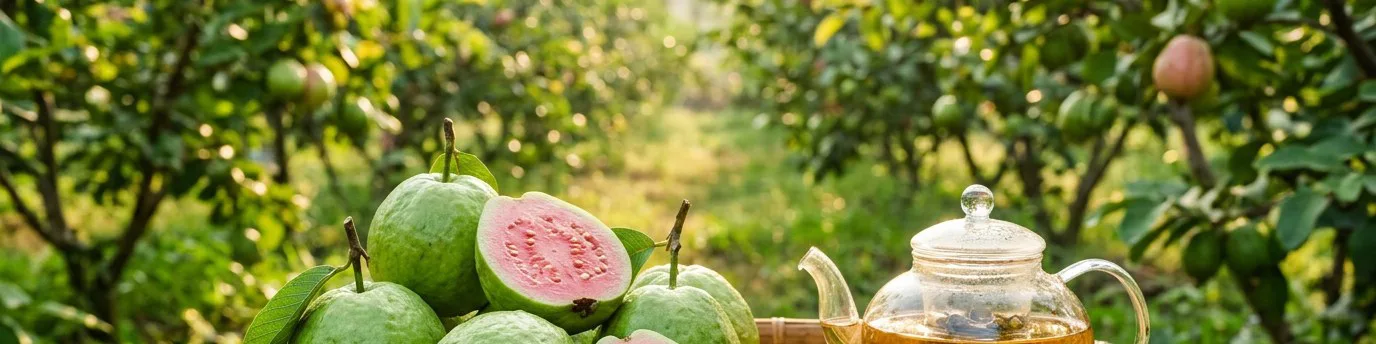
Affordable, refreshing, and harvested year-round across tropical orchards, fresh guava is far more than an everyday table fruit. Known botanically as Psidium guajava, this iconic Asian harvest has earned a reputation as a natural storehouse of micronutrients that nourishes glowing skin while supporting sustainable figure goals. Understanding practical guava weight management nutrition helps health-conscious readers enjoy lasting fullness, steady energy, and generous vitamin intake without resorting to restrictive fad diets, especially when harvesting fresh fruit straight from home gardens tended with container-grown fruiting guava care techniques.
Digestive, Respiratory, and Skin Wellness From Psidium Guajava
Nearly everyone across Southeast Asia and South Asia recognizes the unmistakable floral aroma of orchard-ripened guava. Just as Western households repeat the classic proverb that eating an apple a day keeps the doctor away, communities across India and tropical guava-growing regions share a parallel saying: enjoying a few fresh guavas in season helps keep the family resilient throughout the year. Much of this traditional esteem comes from the fruit's balanced combination of botanical astringents, carotenoids, and dietary fiber.
Natural tannins and alkaline-forming polyphenols give guava gentle astringent qualities that calm sensitive digestive tracts during occasional loose stools while discouraging unwanted microbial buildup and clearing excess intestinal mucus. At the same time, vitamin C and provitamin A carotenoids nourish the mucosal lining of the gut. In fully ripened fruit, abundant soluble and insoluble fiber retains moisture inside the digestive tract, encouraging comfortable, regular bowel elimination and thorough digestive cleansing.
Freshly pressed guava juice and warm herbal infusions brewed from clean foliage are also valued in traditional household care for soothing dry throats during seasonal coughs and chilly weather, a topic explored further in our guide to traditional wellness applications of fresh guava leaves. Because guava pulp supplies abundant vitamin C alongside dietary iron, regular consumption strengthens everyday immune defenses during seasonal transitions. Meanwhile, those same botanical astringents and vitamins A, B-complex, and C provide cellular antioxidant protection that refines facial pore texture, supports skin barrier resilience, and softens visible signs of premature skin aging whether eaten fresh or used as a cooled young-leaf facial rinse.
Cardiovascular Fiber, Glycemic Balance, and Detailed Nutrient Composition
Dietary fiber in fresh guava plays an equally vital role in metabolic and cardiovascular wellness. Soluble fiber helps maintain healthy blood cholesterol profiles and supports smooth vascular circulation throughout the body. Nutritional research consistently notes that diets dominated by refined, fiber-depleted starches convert rapidly into simple blood sugars, placing extra strain on blood pressure and metabolic balance. Because fresh guava pairs high fiber density with a naturally low glycemic index, enjoying crisp slices between meals promotes steady post-meal glucose response and healthy cardiovascular tone.
Interestingly, nutritionists observe that guava supports balanced metabolism across very different constitutional needs: its vitamins, trace minerals, and organic acids encourage efficient nutrient assimilation in convalescent individuals rebuilding strength, while its low energy density and filling fiber help overweight individuals trim excess calories without suffering micronutrient shortfalls. Phytochemical analyses show that guava contains bioactive plant compounds including beta-sitosterol, quercetin, guaijaverin, leucocyanidin, and avicularin, alongside vitamin C and natural cell-wall carbohydrates composed of fructose, xylose, glucose, rhamnose, and galactose.
Per 100 grams of edible fresh guava flesh, standard food composition tables record approximately 1 gram of protein, 15 milligrams of calcium, 1 milligram of iron, 0.06 milligrams of retinol (vitamin A), 0.05 milligrams of thiamin (vitamin B1), abundant soluble pectin, and up to 200 milligrams of ascorbic acid (vitamin C)—substantially higher than a comparable serving of sweet oranges.
Complementary proximate analyses across common cultivars report roughly 77.9% moisture, 0.9% protein, 0.3% lipids, 15% total carbohydrates, 0.3% organic acids, and 0.5% mineral ash, together with 0.03 mg% vitamin B1, 0.03 mg% vitamin B2, 0.2 mg% vitamin PP (niacin), and 50 to 60 mg% vitamin C in milder varieties. Within the fruit's natural sugar profile, fructose accounts for approximately 58.9%, glucose 35.7%, and sucrose 5.3%, balanced by refreshing citric acid and malic acid that give crisp guavas their lively orchard tang, especially when trees are kept healthy through proper integrated pest control and guava orchard care.
Simple Guava Smoothies, Fresh Juices, and Smart Eating Precautions
Incorporating fresh guava into a balanced calorie-conscious menu is effortless when you prepare homemade fruit beverages that preserve natural pulp fiber and heat-sensitive vitamins:
- Guava, Banana, and Strawberry Soy Smoothie: Peel half a ripe guava, scoop out the hard central seeds, and dice the fragrant flesh alongside one ripe banana and three to four hulled fresh strawberries. Pulse the fruit in a blender with a small handful of crushed ice until velvety, then pour in half a cup of unsweetened soy milk and blend briefly. Enjoyed as a mid-morning meal or post-walk refresher, this nutrient-dense shake supports smooth, luminous skin, supplies complete plant nourishment, slows dietary fat absorption, and keeps hunger comfortably satisfied for hours.
- Cold-Pressed Ripe Guava Juice: Wash and deseed fully ripened guavas to extract fresh, naturally sweet nectar in a home juicer rather than relying on heavily sweetened commercial syrups. Chilled fresh guava juice hydrates dermal cells, supplies protective antioxidants against everyday oxidative stress, and offers a crisp, low-calorie beverage choice for adults pursuing steady, healthy weight management across tropical and temperate climates alike.
Practical Guidelines When Eating Fresh Guava
- Although fresh guava is wholesome for daily enjoyment, avoid eating large quantities of unripe or overly young green guavas, because concentrated raw tannins can irritate a sensitive stomach or trigger temporary constipation.
- When eating ripe guavas whole, scoop out the central seed core or avoid swallowing hard woody seeds intact so they do not tax digestion or cause abdominal heaviness.
- Individuals recovering from physical exhaustion or managing delicate digestion should blend ripe, deseeded guava into a smooth fruit puree or strain it as fresh juice so the digestive system absorbs its vitamins and minerals effortlessly.
Pairing one or two fresh ripe guavas per day with mindful hydration, balanced meals, and regular walking turns simple tropical fruit enjoyment into a sustainable wellness habit. Readers seeking additional leaf-tea preparations, nutritional comparisons, and seasonal fruit guides can browse our complete nutrition and herbal guava care archive for practical everyday inspiration.