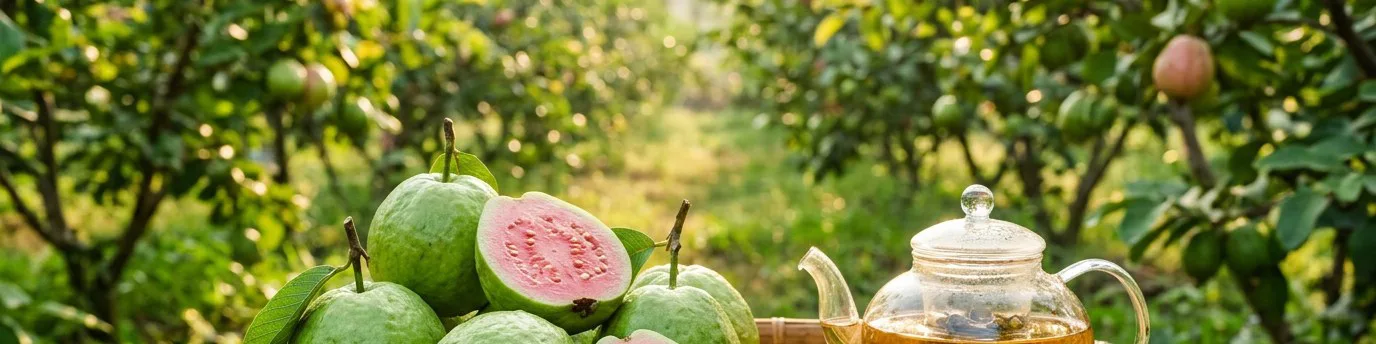
Across the upland hills and rural homesteads of Vietnam, the hardy guava tree thrives both in the wild and as a cherished backyard fruit crop. In traditional Vietnamese garden design, families long paired the starfruit tree in the sunny front courtyard with the guava tree behind the kitchen garden, a practical custom shaped partly by the spring caterpillars that gather on tender guava shoots. Originating in the tropical Americas before naturalizing throughout tropical Asia and Africa, Psidium guajava L. belongs to the myrtle family (Myrtaceae) and carries classic Sino-Vietnamese botanical names such as Phien Thach Luu, Thu Qua, Phien Dao Thu, and Ke Thi Qua.
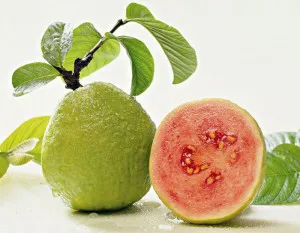
Although humble and inexpensive in local markets, fresh guava acts as a dense tropical nutritional storehouse of guava fruit packed with soluble fiber, vitamin C, and protective polyphenols. Beyond enjoying crisp ripe slices at the table, rural households across Vietnam and southern China have long valued unripe green fruit, tender leaf buds, mature foliage, stem bark, and root bark in folk wellness routines. Passed down orally for generations before entering classical herbal compendia, young guava leaf infusions were formally documented in the Supplemented Record of Lingnan Medicinal Herbs as a soothing botanical tea leaf prized for digestive and metabolic balance.
Traditional Eastern Herbal Classifications of the Guava Tree
Classical East Asian materia medica texts categorize each part of the guava tree according to its distinct flavor profile, thermal nature, and supportive digestive properties:
- Ripe Guava Fruit (Phien Thach Luu): Sweet and gently astringent in taste, neutral in thermal character, and non-toxic, ripe guava aligns with the Spleen, Stomach, and Large Intestine meridians. Traditional practitioners value mature fruit to tonify digestive vitality, ease post-meal abdominal fullness, calm childhood nutritional stagnation, and firm loose stools.
- Dried Unripe Guava Slices (Phien Thach Luu Can): Described in the Guangdong Materia Medica as sour, tart, and mildly warming, sun-dried immature fruit slices are traditionally simmered at 6 to 9 grams per daily decoction to calm acute intestinal upset and restore bowel regularity.
- Young Guava Leaves (Phien Thach Luu Diep): Used either freshly picked or shade-dried, tender leaves carry a mildly bitter-astringent taste and neutral nature in Guangxi and Nanning herbal records. Internal infusions prepare 4 to 6 grams of dried leaves—or 15 to 30 grams of fresh young foliage—steeped in hot water to soothe chronic loose stools, while concentrated leaf washes cool prickly heat rash, weeping skin irritation, and minor surface scrapes. Because of their natural tannins, astringent leaf teas should be avoided by individuals experiencing constipation or unresolved early-stage digestive stagnation.
- Stem Bark and Root Bark (Phien Thach Luu Bi): Lingnan botanical texts describe simmering washed root bark with mild rice vinegar as a soothing warm mouth rinse for sensitive gums and tooth discomfort, alongside gentle herbal bath infusions for children with seasonal skin irritation.
Modern households continue to rediscover these versatile plant parts alongside the thirteen golden wellness benefits of fresh guava celebrated in everyday tropical diets.
Flavonoid Research and Post-Meal Glycemic Balance
In contemporary nutritional science, guava fruit and guava leaf blood sugar support have attracted detailed phytopharmacological investigation. Laboratory and clinical nutrition studies indicate that soluble pectin fiber in the fruit peel and quercetin-rich flavonoid glycosides in the leaves work together to moderate post-meal glucose spikes without harsh metabolic stimulation.
Experimental findings compiled in modern Ayurvedic and botanical pharmacology reference works illustrate two complementary mechanisms:
- Fresh Guava Juice Glycemic Moderation: In controlled laboratory rabbit models receiving fresh unsweetened guava juice at 25 grams per kilogram of body weight, baseline blood glucose declined by 19 percent in healthy animals and by 25 percent in hyperglycemic models. Peak glucose-moderating activity occurred roughly 4 hours after intake before gently returning to normal baseline levels within 24 hours.
- Guava Leaf Flavonoids and Insulin Sensitivity: Concentrated flavonoid extracts from young guava leaves demonstrated pronounced glycemic support in alloxan-induced hyperglycemic rodent studies, lowering elevated blood glucose readings by 30 percent after 2 hours, 46 percent after 4 hours, and 57 percent after 6 hours while maintaining steady balance in healthy control mice. Researchers attribute this activity to enhanced glucose uptake across peripheral muscle tissues combined with improved binding affinity and sensitivity at cellular insulin receptors.
Practical Daily Preparation and Wellness Precautions
Within a balanced household meal plan, adults seeking gentle dietary glycemic support can incorporate seasonal guava in simple, sustainable ways. During peak harvest months, enjoying 50 to 100 grams of crisp fresh guava daily—or sipping a small glass of freshly pressed, unsweetened ripe guava juice alongside fiber-rich meals—provides slow-release carbohydrates and abundant antioxidants. Outside the main fruiting season, steeping 4 to 8 grams of dried guava leaves or 15 to 20 grams of washed fresh young leaves in simmering water yields an aromatic, caffeine-free daily herbal tea, one of the five unexpected everyday wellness uses of guava cherished across Vietnamese kitchens.
Important Nutritional Disclaimer: Fresh guava fruit and traditional guava leaf tea infusions serve strictly as supportive low-glycemic dietary habits. They are not a medical cure for diabetes and must never replace blood glucose monitoring, dietary therapy, or clinical medications prescribed by a qualified physician or endocrinologist.
Readers interested in pairing herbal leaf infusions with wholesome seasonal fruit preparation can browse our complete guava nutrition and herbal leaf care archive for safe, evidence-informed household routines.